

How to Inject Tirzepatide Safely (Step-by-Step)
To inject tirzepatide safely, first, disinfect the vial and gather your supplies. Choose a fleshy injection site on your abdomen or thigh, avoiding scars. Pinch the skin and insert the needle at a 90-degree angle. Hold it in place for a few seconds after injecting. Make sure to monitor for side effects and dispose of the needle properly. If you want to know more about each step and important precautions, keep exploring!

Key Takeaways
- Disinfect the vial top with an alcohol prep pad and confirm the correct dosage before use.
- Choose an appropriate injection site on the abdomen or thigh, avoiding scars or sensitive areas.
- Clean the injection site thoroughly, let it dry, and pinch the skin before inserting the needle at a 90-degree angle.
- Hold the needle in place for a few seconds post-injection to ensure full delivery, then dispose of the needle safely.
- Monitor for side effects and communicate any concerns or symptoms to your healthcare provider promptly.
Understanding Tirzepatide and Its Administration
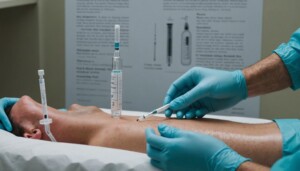 When you consider Tirzepatide, it’s essential to understand how it works and how to administer it effectively. As a dual GIP/GLP-1 receptor agonist, it helps manage type 2 diabetes and promotes weight loss. Tirzepatide decreases appetite and slows stomach emptying, promoting feelings of fullness. Following proper dosage guidelines is key: start with 2.5 mg once a week for the first four weeks, then adjust to 5 mg if needed. You can increase the dose by 2.5 mg every four weeks, up to a maximum of 15 mg weekly. The maximum dosage for both weight loss and sleep apnea is 15 mg once a week.
Patient education plays an important role in ensuring safety and effectiveness. Make sure you’re aware of the injection technique to minimize discomfort, and understand what to do if you miss a dose. Encourage ongoing communication about diet, exercise, and any side effects. Regular follow-ups will help you monitor your progress and adjust treatment as necessary. Your commitment to understanding these aspects can greatly impact your patients’ health and well-being.
Preparing for the Injection
Preparation is essential for a successful Tirzepatide injection. Start with vial preparation: unwrap the vial and disinfect the top with an alcohol prep pad. Confirm the correct dose according to your prescription, noting the concentration if you have a higher dose. Verify the medication’s been stored in the refrigerator prior to use. Additionally, consider that patient testimonials highlight the importance of proper injection techniques for achieving the best results.
Next, focus on syringe setup. Pull 10 units of air into the syringe, then inject that air into the vial to equalize pressure. Carefully draw the prescribed volume of medication—25 units for 2.5 mg, 50 for 5 mg, and so on. Remember, for a 10 mg dose, you’ll need a higher concentration vial. Additionally, ensure you follow the proper storage guidelines to maintain the medication’s efficacy.
Taking these steps verifies you’re ready for a safe and effective injection. By diligently preparing, you’re not only looking after yourself but also demonstrating care for your health and well-being.
Choosing the Right Injection Site
 Selecting the right injection site is fundamental for a successful Tirzepatide administration. You’ll find that the abdomen and thighs are excellent choices due to their accessibility and ample subcutaneous fat, ensuring consistent absorption. When considering injection site selection, aim for areas that are fleshy and free of scars or bruises to minimize discomfort. It’s essential to implement site rotation strategies; rotating your injection sites weekly not only prevents skin irritation but also helps avoid complications like lipodystrophy. Remember to steer clear of sensitive areas, such as near the navel or under the belt line. If you’re unsure about the best site, don’t hesitate to consult your healthcare provider. Recommended injection sites include the abdomen, thighs, and upper arms to ensure effective administration of Tirzepatide. Rotating injection sites can enhance comfort during the process. Ensuring proper hygiene before each injection is important for preventing infection and enhancing your overall comfort during the process. Taking these steps will help you manage your treatment effectively and improve your health outcomes.
Mastering the Injection Technique
With the right injection site chosen, focusing on mastering the injection technique is your next step.
Begin by gathering your supplies: the tirzepatide pen or syringe, alcohol swabs, and a sharps disposal container. After washing your hands, clean your chosen site thoroughly and let it dry. If you’re dealing with needle anxiety, consider using a topical anesthetic for added injection comfort. Proper air management is crucial to ensure accurate dosing and minimize discomfort during the injection.
Pinch the skin at the site and insert the needle at a 90-degree angle. Press the plunger to administer the dose, holding the needle in place for a few seconds to guarantee full delivery. Tirzepatide enhances insulin release post-meal, which can improve your overall glycemic control.
Consistency is key, so stick to your technique to minimize discomfort. Rotate your injection sites to prevent tissue damage and always follow your healthcare provider’s guidance.
After injecting, dispose of the needle responsibly, monitor for any reactions, and keep track of your experience for future reference.
Safety Precautions to Consider
Before you move forward with your tirzepatide injection, it’s important to keep several safety precautions in mind. Prioritizing safety not only protects you but also guarantees a smoother experience for everyone involved.
- Allergy Awareness: Always inform your healthcare provider about any allergies to tirzepatide or its ingredients to avoid adverse reactions.
- Medication Interactions: Make a detailed list of all medications, vitamins, and supplements you’re taking to prevent harmful interactions. Tirzepatide may impact the effectiveness of oral birth control, so discuss this with your healthcare provider. Additionally, ensure adherence to the prescribed dosage regime to optimize treatment outcomes.
- Medical History: Share any relevant medical history, especially regarding pancreas or kidney issues, to tailor your treatment effectively.
Additionally, if you’re pregnant, breastfeeding, or planning to conceive, let your healthcare provider know.
Proper Storage and Handling of Tirzepatide
 Proper storage and handling of tirzepatide is essential for maintaining its effectiveness and safety. Always refrigerate tirzepatide between 36°F and 46°F (2°C to 8°C) before use, keeping it in its original carton to protect it from light. If you need to store it at room temperature, guarantee it’s used within 21 days and never exceed 86°F (30°C). Once out of the fridge, don’t return it. When preparing tirzepatide, check for any particulates or discoloration—discard it if you find any. Use a clean area and guarantee your hands and surfaces are sanitized. Avoid shaking the vial or pen to prevent destabilization. Additionally, be aware that GoodRx is not available outside the United States, which may affect your access to pricing information for medications. If you’re using compounded tirzepatide, follow the specific storage guidelines provided by your compounding pharmacy. Remember, proper handling precautions not only protect the medication but also guarantee the best outcomes for those you serve. Always follow the storage guidelines for unopened pens, as they should be stored in a refrigerator to maintain their stability and effectiveness.
Monitoring and Managing Side Effects
After ensuring proper storage and handling of tirzepatide, it’s important to monitor and manage any side effects that may arise during treatment.
Recognizing symptoms early can help you provide care and support for others. Here are some key strategies to take into account:
- Dietary Adjustments: Modify your diet to reduce nausea and gastrointestinal discomfort, prioritizing hydration to alleviate diarrhea or constipation. Additionally, consider that tirzepatide may increase insulin levels, which can impact your diet choices.
- Monitor Symptoms: Keep track of any side effects, noting if they persist or worsen. This will aid in effective management. Additionally, be aware of the potential for low blood sugar symptoms, such as confusion or shakiness, which require immediate attention.
- Report Side Effects: Encourage open communication about any bothersome symptoms. It’s vital to report serious side effects like severe abdominal pain or trouble breathing immediately.
Frequently Asked Questions
Can I Inject Tirzepatide if I Have a Cold or Fever?
You can inject tirzepatide even if you have cold symptoms or fever effects, but it’s essential to check with your healthcare provider first.
While mild illness doesn’t greatly impact absorption, underlying conditions might. You’ll want to monitor for any worsened side effects.
If you’re feeling dehydrated or unable to tolerate fluids, seek medical advice before proceeding.
Always maintain good hygiene during your injection and stay vigilant about your health.
What Should I Do if I Miss a Dose?
If you miss a dose of tirzepatide, don’t worry too much.
Just inject it as soon as you remember, but make sure it’s within four days. If it’s been longer, skip that dose and stick to your regular schedule.
Remember, you can’t adjust your dosage to include two doses close together, as that can cause side effects.
Staying on track helps you support your health effectively and serve others better.
Can I Travel With My Tirzepatide Medication?
Yes, you can travel with your tirzepatide medication.
For smooth travels, keep these travel tips in mind: store your medication in carry-on luggage, ideally in its original packaging. If refrigeration’s needed, use insulated containers.
It’s wise to carry your prescription and a doctor’s letter explaining your treatment. Additionally, always check destination regulations regarding medication storage to avoid any issues at border crossings.
Safe travels!
Is There a Specific Way to Dispose of Used Needles?
Imagine your used needles as tiny time bombs; if mishandled, they can cause harm.
For safe needle disposal, always place used needles in a puncture-resistant sharps container immediately after use. This simple practice not only protects you but also serves others by preventing accidental injuries.
Can Tirzepatide Be Used During Pregnancy?
Tirzepatide isn’t recommended during pregnancy due to potential risks. Without sufficient human studies, the concerns about tirzepatide pregnancy risks are significant.
If you’re pregnant or planning to be, discuss safer alternatives with your healthcare provider, like insulin.
Additionally, breastfeeding safety hasn’t been established, so it’s essential to weigh the benefits and risks before making any decisions.
Always prioritize your health and your baby’s well-being by seeking professional guidance.
Conclusion
In conclusion, injecting tirzepatide can be a smooth process with the right preparation and care. By following these steps, you’re not just administering a medication; you’re taking charge of your health journey. Remember, each injection is a step towards your wellness goals. So, embrace the process and keep safety at the forefront. With the right knowledge, you’re armed like a knight with a shield, ready to conquer your health challenges!
References
- https://zepbound.lilly.com/weight/how-to-use
- https://mounjaro.lilly.com/how-to-use-mounjaro
- https://www.richlandmd.com/cosmetic/how-to-inject-tirzepatide/
- https://www.goodrx.com/mounjaro/how-to-inject-mounjaro
- https://www.drugs.com/tirzepatide.html
- https://www.goodrx.com/zepbound/dosage
- https://iapam.com/medical-weight-management-library/tirzepatide-dosage-guide
- https://www.drugs.com/dosage/tirzepatide.html
- https://mounjaro.lilly.com/hcp/getting-patients-started
- https://www.pacificheightsplasticsurgery.com/tirzepatide-injection-training-video/
Explore more helpful content if you found this article insightful:
Tirzepatide Usage & Practical Information,
How Often to Take Tirzepatide: Weekly Dosing Explained,
Tips for Reducing Tirzepatide Side Effects,
What to Do If You Miss a Dose of Tirzepatide,
Diet and Exercise While Taking Tirzepatide,
Amie’s Tirzepatide Review