

Tirzepatide Usage & Practical Information
Tirzepatide is a dual agonist for managing type 2 diabetes and promoting weight loss. You’ll start with a 2.5 mg weekly injection, which can be increased over time. Common side effects include nausea and diarrhea, while serious ones may require immediate attention. To guarantee effectiveness, store it properly in a refrigerator and administer it consistently each week. Want to know more about its benefits, safety precautions, and cost details? Keep exploring!

Key Takeaways
- Tirzepatide is used for managing type 2 diabetes and chronic weight management in adults with obesity or overweight.
- The initial dose is 2.5 mg weekly, with possible increases after four weeks, up to a maximum of 15 mg.
- Common side effects include gastrointestinal issues like nausea and diarrhea, while serious side effects may involve severe abdominal pain or pancreatitis.
- Store tirzepatide in a refrigerator, avoid freezing, and ensure it stays in the original carton to protect from light.
- List prices are around $1,080, but insurance may reduce costs significantly, with discounts available for eligible patients.
Overview of Tirzepatide
 Tirzepatide is a groundbreaking medication that acts as a dual agonist, targeting both GLP-1 and GIP receptors to manage type 2 diabetes and aid in weight loss. Understanding the Tirzepatide mechanism is key; it mimics gut hormones, stimulating insulin secretion while reducing glucagon production. This dual action not only enhances glucose control but also helps modulate appetite and slow gastric emptying, making it easier for patients to manage their weight. Additionally, its ability to slow gastric emptying contributes to prolonged sensations of fullness after meals, further supporting weight loss efforts. Notably, Tirzepatide is indicated for chronic weight management in adults with obesity or overweight conditions, showcasing its versatility in treatment.
With a linear peptide structure composed of 39 amino acids, Tirzepatide has been chemically modified for better stability and uptake. Administered through a once-weekly subcutaneous injection, it’s designed to fit seamlessly into your routine.
As you consider using Tirzepatide, keep in mind that its benefits require active treatment, and ongoing monitoring is essential for effective management. The journey to better health is shared, and you’re taking a significant step toward serving your community by empowering others through informed choices.
Indications and Therapeutic Uses
When considering treatment options for type 2 diabetes and obesity, it’s essential to understand the approved indications and therapeutic uses of Tirzepatide. This medication is designed to help specific patient populations meet their health goals by addressing key indication criteria.
- Adults with type 2 diabetes who need better glycemic control.
- Overweight or obese individuals facing weight-related health issues.
- Patients with moderate-to-severe obstructive sleep apnea linked to obesity.
Tirzepatide offers significant therapeutic benefits, including impressive reductions in HbA1c and body weight. In clinical trials, users experienced weight loss of 15–20% or more and sustained improvements in glycemic control lasting up to 52 weeks. Additionally, those using Tirzepatide averaged a weight loss of around 22.8 kg in clinical trials, showcasing its efficacy in weight management. Furthermore, ongoing research suggests potential for additional uses, expanding the scope of Tirzepatide’s therapeutic applications.
Dosage and Administration Guidelines
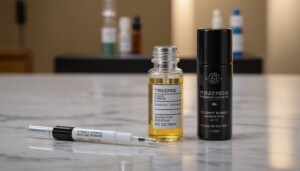 Understanding the dosage and administration guidelines for tirzepatide is essential for optimizing treatment outcomes. Start with an initial dose of 2.5 mg, injected subcutaneously once a week. After four weeks, you can increase this to 5 mg, with further dosage adjustments made in 2.5 mg increments as needed. The maintenance dosages can go up to 15 mg weekly, depending on your treatment goals.
You’ll administer tirzepatide once a week, but you can change the day if necessary, ensuring at least a 3-day gap between doses. Use prefilled pens or syringes for convenience. Zepbound is administered via a prefilled injector pen or single-dose vials, making it easy to incorporate into your routine. Additionally, it is vital to rotate injection sites to prevent skin irritation.
If you’re using tirzepatide alongside insulin or sulfonylureas, remember to reduce their doses to avoid hypoglycemia. Regular monitoring will help you assess tolerance and effectiveness, allowing for appropriate dosage adjustments tailored to individual needs.
Common Side Effects
While using tirzepatide, you might experience some common side effects that are important to be aware of. Understanding these can help you support others who may also be using this medication. Here are a few side effects you may encounter:
- Gastrointestinal issues: Nausea and diarrhea are quite common, affecting many users. Diarrhea is reported by up to 17% of Mounjaro users and 23% of Zepbound users.
- Injection reactions: You might notice pain, rash, or itching at the injection site.
- Decreased appetite: This can lead to unintentional weight loss for some individuals. It is important to recognize that tirzepatide injection functions as a GIP receptor and GLP-1 receptor agonist, which contributes to these effects.
It’s crucial to monitor these side effects and discuss any concerns with your healthcare provider.
Staying informed helps guarantee that you can assist others effectively, should they face similar challenges.
Serious Side Effects and Warnings
 Tirzepatide can lead to serious side effects that require immediate attention. If you experience severe symptoms like intense abdominal pain, nausea, or vomiting, seek medical help promptly. These issues, especially at the start of treatment or after a dose increase, can lead to dehydration and kidney problems. It is important to understand that tirzepatide works by increasing insulin production when blood sugar levels rise, which can affect how your body reacts to these side effects.
You should also be aware of the risks of gallbladder disease and pancreatitis, marked by severe abdominal pain or jaundice. If you notice these signs, don’t hesitate to consult a healthcare provider. It is crucial to inform healthcare provider about any diabetes medications being taken, as this can help in managing potential side effects effectively.
Additionally, serious allergic reactions can occur, presenting as swelling or difficulty breathing. Management strategies include stopping tirzepatide and seeking emergency care.
Monitoring your symptoms and staying proactive can help prevent complications. Always maintain open communication with your healthcare team to guarantee you’re making informed decisions about your treatment and managing any potential risks effectively.
Clinical Efficacy and Outcomes
When considering treatment options for obesity and type 2 diabetes, clinical efficacy and outcomes play an essential role. Tirzepatide demonstrates impressive results in weight loss and metabolic improvements, offering hope for those seeking better health.
- Patients on 15 mg of tirzepatide achieved a remarkable 20.9% weight reduction after 72 weeks.
- Compared to semaglutide, higher doses of tirzepatide showed mean differences in weight loss of -4.67% and -5.92%.
- The medication enhances insulin sensitivity and reduces glucagon secretion, promoting better glycemic control. Additionally, tirzepatide significantly improves β-cell function, which is crucial for maintaining long-term glycemic stability.
Major clinical trials, including SURMOUNT-1, SURMOUNT-2, and SURMOUNT-3, confirmed these outcomes in diverse patient groups, with the SURMOUNT-4 study further establishing the long-term efficacy of tirzepatide in maintaining significant weight loss.
Safety Considerations and Precautions
 Before starting tirzepatide, it’s important to assess safety considerations and precautions to guarantee the best outcomes for your health.
Begin by reviewing your medical history and any family history of medullary thyroid carcinoma or Multiple Endocrine Neoplasia syndrome type 2, as these are contraindications. Adherence to prescribed dosage is essential for treatment efficacy, so ensure you understand the recommended dosage regime.
Patient monitoring is vital; watch for gastrointestinal issues, signs of kidney problems, and potential allergic reactions. If you notice severe stomach pain, persistent nausea, or any swelling in your neck, report these symptoms immediately. Additionally, be aware that there is a risk of thyroid C-cell tumors, which necessitates ongoing vigilance.
Follow safety protocols by using new needles for each injection, rotating sites, and maintaining proper hygiene.
Stay hydrated to protect your kidneys, especially if you’re prone to dehydration.
Finally, educate yourself about recognizing serious symptoms and confirm you communicate any previous allergic reactions to your healthcare provider.
This vigilance supports your well-being and helps you serve others effectively.
Practical Administration Tips
To guarantee effective administration of tirzepatide, it’s vital to follow practical tips that enhance safety and efficacy.
Proper injection techniques and site rotation are key to successful treatment. Here are some essential tips to keep in mind:
- Choose injection sites in the abdomen, thigh, or upper arm, rotating between them to reduce soreness.
- Always use a new needle for each injection and inspect the pen for clarity before use.
- Stick to a consistent day for your weekly injection to maintain a routine. Additionally, remember that Zepbound is administered once weekly, with or without food, which can help you establish a regular schedule for your injections. It’s crucial to note that Mounjaro is injected subcutaneously in these areas to ensure proper absorption.
Storage and Handling Recommendations
 Proper storage and handling of tirzepatide are essential for maintaining its effectiveness and safety. You should store tirzepatide in a refrigerator between 36°F and 46°F (2°C and 8°C), keeping it in its original carton to protect it from light. Tirzepatide must not be frozen as this can compromise the medication’s integrity. If you need to keep it at room temperature, make sure it doesn’t exceed 86°F (30°C) for up to 21 days. Additionally, note that GoodRx is not available outside the United States, so ensure you have access to the necessary support while managing your medication.
When traveling, use insulated bags to maintain temperature control and prevent exposure to extreme conditions. Always check the expiration date and handle the medication carefully to avoid damage. Dispose of any expired or unused tirzepatide according to local regulations, and remember that once it’s been at room temperature, refreezing isn’t recommended.
Cost and Accessibility
Maintaining the right storage conditions for tirzepatide is important, but understanding the cost and accessibility of this medication is equally significant.
The price of tirzepatide can vary greatly depending on several factors, including:
- List prices of Mounjaro at $1,079.77 and Zepbound at $1,086.37.
- Insurance coverage that can lower your cost to as little as $25 per month.
- Manufacturer discounts and savings programs available to eligible patients. Additionally, many patients may qualify for the Mounjaro Savings Card program, which helps reduce out-of-pocket expenses.
Navigating these cost variations is essential for those looking to support others in securing this medication. Additionally, Zepbound is FDA-approved for weight management in adults, making it a significant option for those struggling with obesity.
Without insurance, annual costs for Zepbound can reach around $13,800. However, many insurance plans cover tirzepatide, making it more accessible for diabetes management.
Frequently Asked Questions
Can Tirzepatide Be Used in Children With Type 2 Diabetes?
Imagine you’re a parent of a teenager struggling with type 2 diabetes. You might wonder if tirzepatide could help your child.
Currently, it’s not FDA-approved for kids outside of clinical trials. Pediatric guidelines emphasize treatment safety, requiring specific eligibility criteria, like age and diabetes type.
While ongoing studies show promise, you’ll want to consult healthcare providers to guarantee any treatment aligns with your child’s needs and safety considerations.
What Lifestyle Changes Should Accompany Tirzepatide Treatment?
To enhance your health journey, focus on dietary adjustments and exercise routines.
Prioritize nutrient-dense foods, high fiber intake, and healthy fats while limiting sugars and refined carbs.
Pair these dietary changes with at least 150 minutes of moderate-intensity cardio each week, along with strength training.
How Long Does It Take to See Weight Loss Results?
You’ll typically see weight loss results within the first month, starting with a weight loss timeline that shows 2-5 pounds.
As you adjust to the initial dosage guidelines of 2.5 mg, noticeable changes can occur around weeks 5-8, where you might lose 1-3 pounds weekly.
Staying committed to a healthy diet and regular exercise alongside your treatment can enhance your results and help you achieve your weight loss goals more effectively.
Is Tirzepatide Effective for Prediabetes Management?
Did you know that tirzepatide reduces the risk of progressing to type 2 diabetes by about 93% in patients with prediabetes?
If you’re managing prediabetes symptoms, it’s worth considering treatment options like tirzepatide. This medication effectively maintains normal A1c levels and promotes considerable weight loss, which are essential for preventing diabetes.
Can I Drink Alcohol While Using Tirzepatide?
You might wonder about alcohol interactions while using tirzepatide.
While there’s no direct interaction, safety concerns arise. Alcohol can worsen side effects like nausea and may affect your blood sugar levels, increasing the risk of hypoglycemia.
It’s wise to consult your healthcare provider before drinking, limit your intake, and monitor your blood sugar closely.
Adjusting your habits can help you stay safe and maximize the benefits of your medication.
Conclusion
To summarize, tirzepatide offers an innovative approach to managing type 2 diabetes, showing promise in helping many patients achieve better glycemic control. Notably, clinical trials indicated that over 50% of participants experienced significant weight loss alongside improved blood sugar levels. As you consider this medication, remember to consult your healthcare provider to discuss its potential benefits and any concerns. With the right guidance, tirzepatide could be a game changer in your diabetes management journey.
References
- https://www.drugs.com/tirzepatide.html
- https://www.goodrx.com/zepbound/dosage
- https://iapam.com/medical-weight-management-library/tirzepatide-dosage-guide
- https://www.drugs.com/dosage/tirzepatide.html
- https://www.ncbi.nlm.nih.gov/books/NBK585056/
- https://diabetesjournals.org/clinical/article-pdf/40/3/371/685512/diaclincd220038.pdf
- https://www.goodrx.com/classes/gip-receptor-glp-1-receptor-agonists/tirzepatide-mechanism-of-action
- https://go.drugbank.com/drugs/DB15171
- https://corporate.dukehealth.org/news/tirzepatide-has-unique-activity-stimulate-insulin-secretion
- https://en.wikipedia.org/wiki/Tirzepatide
Explore more helpful content if you found this article insightful:
How to Inject Tirzepatide Safely (Step-by-Step),
How Often to Take Tirzepatide: Weekly Dosing Explained,
Tips for Reducing Tirzepatide Side Effects,
What to Do If You Miss a Dose of Tirzepatide,
Diet and Exercise While Taking Tirzepatide,
Amie’s Tirzepatide Review